Food science for cooking is the difference between guessing your way through a recipe and understanding exactly why it works. Most home cooks learn recipes the same way: by repetition. You make a dish enough times, you start to sense when the batter looks right or the sauce needs another minute. That instinct is valuable, but it has a ceiling. Once you understand why a recipe behaves the way it does, you stop guessing and start adjusting with confidence — and that’s the real gap between someone who follows recipes and someone who can fix, improve, or invent them.
Food science isn’t reserved for chemists or professional test kitchens. The same principles that explain why bread rises, why a sauce breaks, or why a steak turns gray instead of brown are things any cook can learn and apply immediately. This article walks through the core science behind cooking and shows exactly how to use it to make your recipes more consistent, more flavorful, and easier to troubleshoot.
Why Food Science for Cooking Changes How You Cook
A recipe is really a set of instructions built around chemical and physical reactions. Flour absorbs liquid. Proteins unwind and reform under heat. Fat coats flour particles and blocks gluten formation. Sugar pulls moisture out of fruit. None of this is random — it’s predictable, which means it’s also controllable.
When you understand the mechanism behind a step, three things happen:
- You can substitute ingredients without guessing blindly.
- You can diagnose what went wrong instead of just trying again and hoping.
- You can scale, adapt, or invent recipes instead of only reproducing them.
This is the difference between a cook who needs an exact recipe every time and one who can open the fridge and build something reliable from what’s available.
The Maillard Reaction: The Secret Behind Flavor and Color
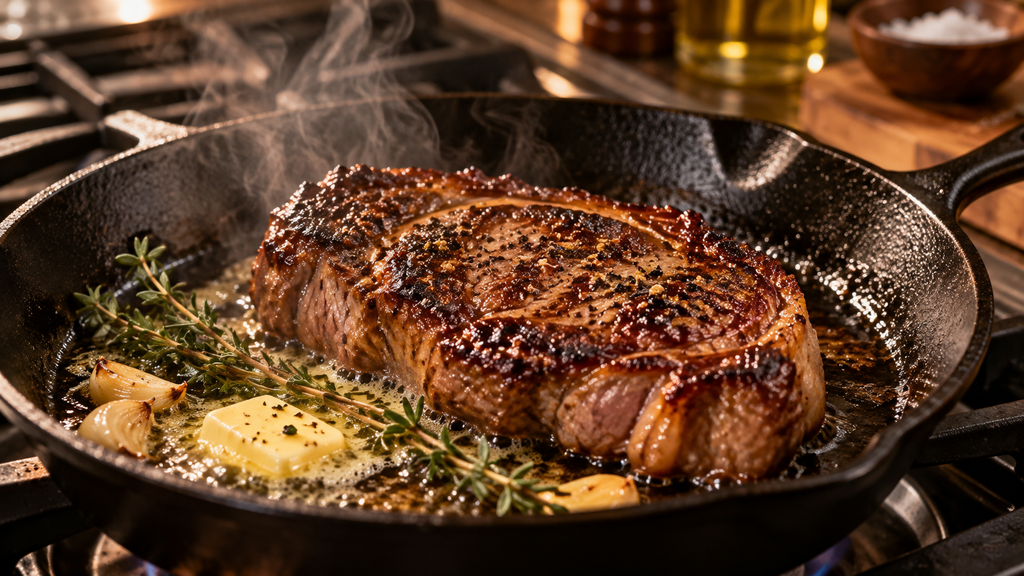
If there’s one concept that improves more recipes than any other, it’s the Maillard reaction — the chemical process where proteins and sugars react under heat, creating hundreds of new flavor compounds along with that deep brown color on seared meat, toasted bread, and roasted vegetables. This is one of the clearest everyday examples of food science for cooking in action, and it’s been studied by chemists for more than a century.
Why It Matters in Practice
The Maillard reaction needs three conditions to happen well: a dry surface, high heat (generally above 300°F/150°C), and enough time for the reaction to build without burning. This explains a lot of common cooking frustrations:
- Steak that steams instead of sears usually has too much surface moisture or a pan that isn’t hot enough.
- Vegetables that turn soft but never brown are often overcrowded on the sheet pan, trapping steam instead of allowing dry heat contact.
- Bread crusts that stay pale frequently need more initial oven heat or a longer bake at a slightly lower final temperature.
How to Apply It
Pat proteins dry with a paper towel before searing. Give roasted vegetables space on the pan so steam escapes. Preheat pans and ovens fully before food goes in. These small adjustments, once you understand the reaction they’re protecting, make a noticeably bigger difference than most seasoning changes.
Understanding Emulsification: Why Sauces Split and How to Fix Them
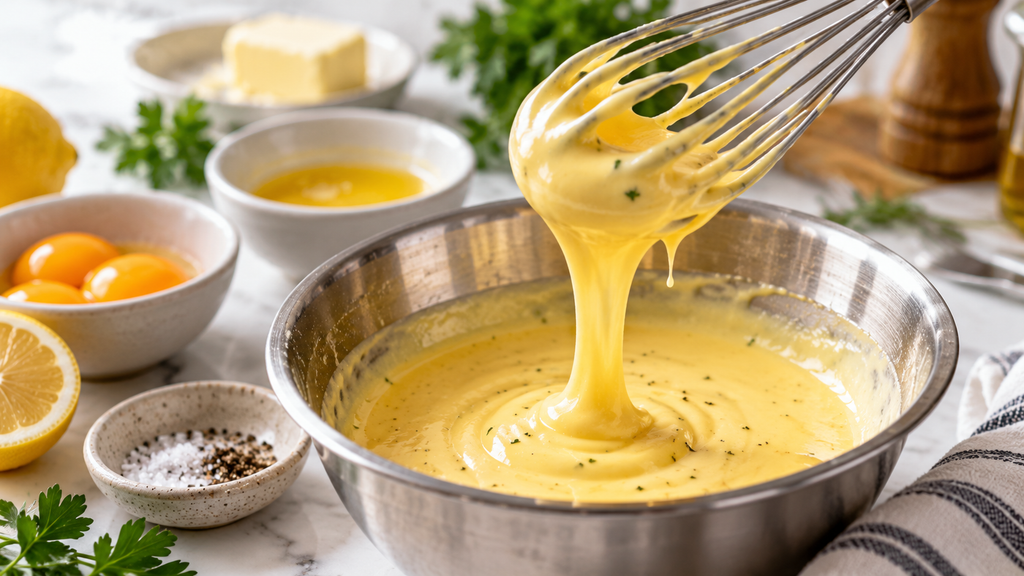
An emulsion is a mixture of two liquids that don’t naturally combine — usually fat and water — held together temporarily by an emulsifier. Mayonnaise, vinaigrette, hollandaise, and pan sauces all rely on this same principle.
Why Sauces Break
A sauce “breaks” when the fat and liquid separate instead of staying blended. This typically happens for one of a few reasons:
- The fat was added too quickly, overwhelming the emulsifier’s ability to coat each droplet.
- The temperature got too high, denaturing the proteins that were holding the emulsion together.
- There wasn’t enough emulsifier relative to the amount of fat in the mixture.
How to Fix and Prevent It
Egg yolks, mustard, and even a small amount of starch act as natural emulsifiers because their molecules have one end attracted to fat and one end attracted to water. Adding fat slowly, especially at the start, gives the emulsifier time to coat each droplet before more is introduced. If a sauce does break, whisking a small amount of warm water into a fresh yolk or a spoonful of mustard, then slowly reintroducing the broken sauce, often rescues it.
Understanding this mechanism means you’re no longer just hoping a vinaigrette holds together — you know exactly why whisking in a thin, steady stream works better than pouring the oil in all at once.
Gluten Development: Controlling Texture in Baking
Gluten is the protein network that forms when flour is mixed with water, and it’s one of the most practical places to apply food science for cooking at home. How much gluten develops — and how it’s treated afterward — determines whether a baked good turns out tender or chewy, dense or airy. King Arthur Baking’s explanation of gluten formation is a useful reference if you want to go deeper into the mechanics.
Reading the Signals
- More mixing and kneading develops more gluten, which is desirable for bread that needs structure and chew.
- Less mixing keeps gluten minimal, which is why muffin and pancake batters should be stirred only until just combined.
- Fat added early coats flour particles and physically limits gluten formation, which is the entire reason pie dough and shortbread stay tender rather than tough.
- Resting the dough allows gluten strands to relax, which is why bread dough springs back less after a rest, and why pie dough is easier to roll after chilling.
Practical Application
If a cookie recipe keeps turning out tough, the fix is often simple: mix the dry ingredients in only until they disappear, rather than continuing to beat the dough. If bread dough tears instead of stretching, it usually needs either more kneading or more resting time, not more flour.
Acid, Salt, and Flavor Balance
Professional recipe development leans heavily on four core taste elements: salt, fat, acid, and heat. Of these, acid is the most commonly underused by home cooks, and salt is the most misunderstood.
What Acid Actually Does
Acid — lemon juice, vinegar, wine, yogurt — brightens flavor by cutting through richness and heightening other tastes. A dish that tastes “flat” or “muddy” is more often missing acid than missing salt. This is why a squeeze of lemon at the end of a soup or braise can make every other ingredient taste more distinct, without adding a noticeable sour flavor of its own.
What Salt Actually Does
Salt doesn’t just add a salty taste — it suppresses bitterness and amplifies other flavors already present in the dish. This is why salting pasta water matters more than salting the sauce afterward: the seasoning becomes part of the ingredient itself rather than sitting on top of it.
How to Use This When Developing a Recipe
When a dish tastes underwhelming, work through this order before adding more of the main ingredient:
- Add a small amount of salt and taste again.
- Add a small amount of acid and taste again.
- Only then consider whether more of the core flavoring ingredient is actually needed.
This sequence solves far more recipes than people expect, because most “bland” dishes are actually improperly balanced rather than under-flavored.
Heat Transfer: Why the Same Ingredient Cooks Differently in Different Methods
Heat moves through food in three ways — conduction (direct contact, like a pan), convection (moving air or liquid, like an oven or boiling water), and radiation (like a broiler or grill). Understanding which type of heat transfer a technique relies on explains a lot about why cooking times and results vary so much between methods.
Practical Examples
- Braising uses low, moist heat over a long time, which is ideal for tougher cuts with more connective tissue — the collagen slowly converts to gelatin, which is why short ribs turn tender but a quick-seared version of the same cut stays tough.
- Roasting vegetables at high heat relies on dry convection to caramelize the exterior before the inside overcooks, which is why oven temperature matters more for vegetables than most people assume.
- Searing depends on direct conduction contact, which is why an overcrowded pan — where food touches other food instead of the hot surface — prevents proper browning.
Once you recognize which type of heat transfer a recipe is using, you can predict how substituting a cooking method (say, swapping an oven bake for a stovetop sear) will change the result, rather than being surprised by it.
Using Food Science to Troubleshoot Recipes
Most recipe failures fall into a small number of categories, and food science gives a direct explanation for each one.
| Problem | Likely Scientific Cause | Practical Fix |
|---|---|---|
| Cookies spread too much | Butter was too warm or over-creamed | Chill dough before baking |
| Sauce is watery | Not enough reduction or starch | Simmer longer or add a thickener |
| Meat is tough after cooking | Wrong cooking method for the cut | Match connective tissue level to cook time and moisture |
| Bread is dense | Under-proofed or gluten not developed | Extend proofing time; knead longer |
| Cake is dry | Overbaked or too much flour | Check oven temperature; measure flour by weight |
Recognizing these patterns means a failed recipe becomes useful information rather than a dead end.
Applying Food Science for Cooking to Create Your Own Recipes
Once these principles are familiar, they become tools for building new recipes rather than just following existing ones.
- Start with the protein or base ingredient and decide what texture you want, then choose the cooking method that produces it.
- Balance the dish using salt, fat, acid, and heat rather than guessing at seasoning amounts.
- Adjust liquid-to-flour ratios deliberately when adapting baking recipes, since even small changes shift gluten development and moisture.
- Test one variable at a time. Changing the fat, the liquid, and the technique simultaneously makes it impossible to know what actually caused a result.
This approach turns recipe development into a repeatable process instead of trial and error.
Conclusion
Learning food science for cooking isn’t about memorizing more recipes — it’s about understanding the handful of reactions that every recipe is built on. Once you know why browning happens, why sauces separate, why gluten develops, and how acid and salt actually work, you stop needing a recipe to tell you exactly what to do. You start being able to read a dish, recognize what it needs, and adjust with confidence. That shift, more than any single technique, is what separates cooking from following instructions.
FAQ
Do I need a culinary science background to apply these principles at home? No. These concepts are practical, not academic. Understanding what’s physically happening when you sear, bake, or emulsify is enough to apply them — no formal training is required.
Why does my food taste better in a restaurant even when I follow the same recipe? Restaurants typically use higher heat, better browning technique, and more deliberate seasoning at each stage (salting pasta water, deglazing pans, finishing with acid) rather than only at the end. These small technique differences, not secret ingredients, account for most of the gap.
Is it true that fresh ingredients always taste better than frozen ones? Not always. Vegetables and fruits that are frozen at peak ripeness can retain more flavor and nutrients than “fresh” produce that traveled long distances and sat in storage. Freshness matters most for texture-sensitive items like leafy greens and herbs.
Why do my baked goods turn out differently depending on the season? Humidity and temperature affect flour’s moisture content and how quickly butter softens, which changes gluten development and dough consistency. Adjusting liquid slightly by season, or weighing ingredients instead of using volume measurements, reduces this variation.
Can understanding food science help me cook with fewer recipes overall? Yes. Once you understand how heat, acid, salt, and fat behave, you can build dishes from what’s available rather than needing an exact recipe every time. This is largely how experienced cooks operate.
Why does resting meat after cooking actually matter? Resting allows juices, which get pushed toward the center under high heat, to redistribute evenly throughout the meat. Cutting immediately causes those juices to spill out onto the cutting board instead of staying in the meat.